Cascading Reels and Standard Reels Compared
The two designs in one sentence each
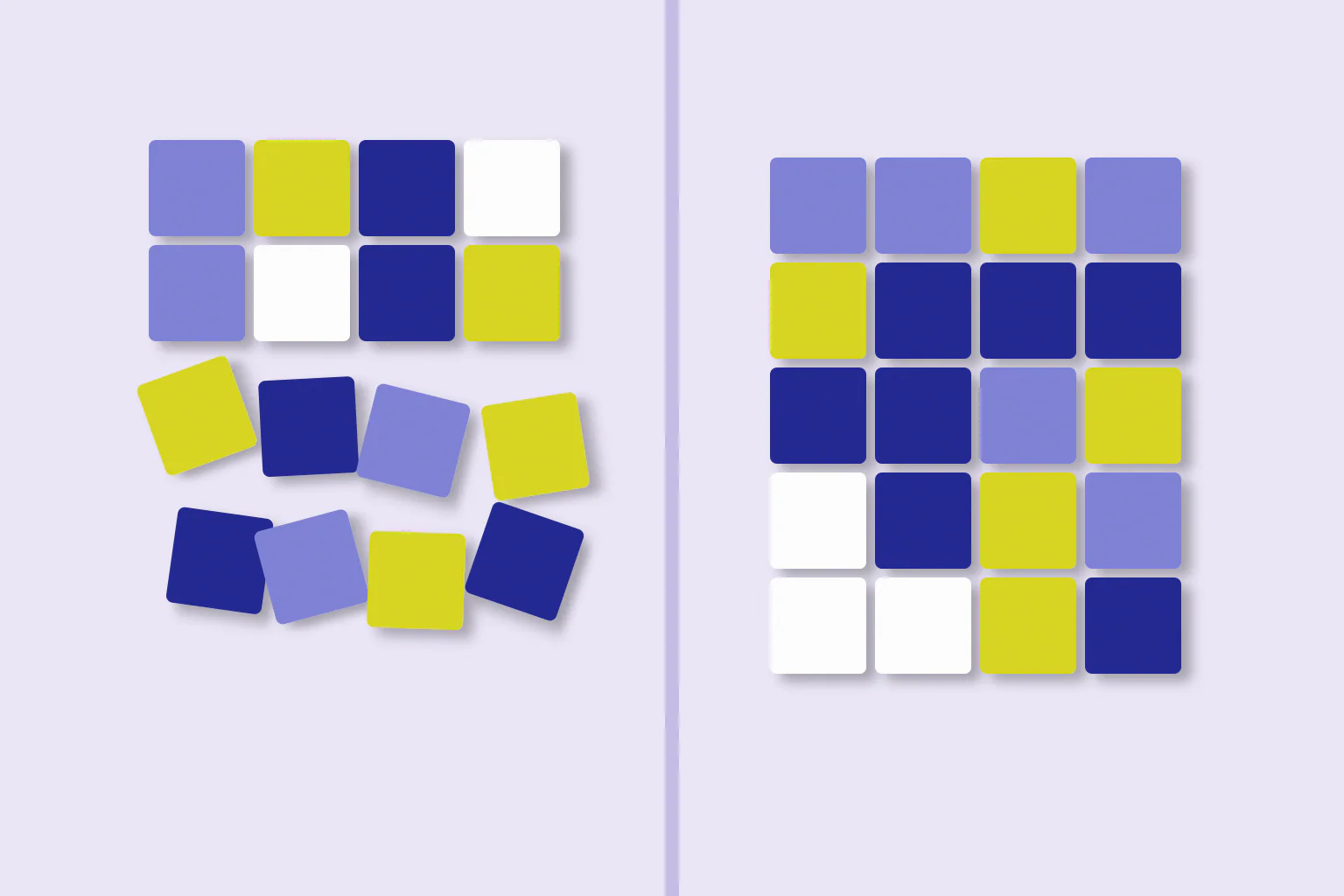
On standard reels, each spin produces one set of symbols and the result is settled there. On cascading reels, winning symbols are removed after a win, the remaining symbols fall into the gaps and new symbols drop in from above, so a single spin can produce several wins in a row. Studios use different names for the cascading idea, including tumbling or avalanche reels, but the core behaviour is the same.
This guide explains both designs, shows how a cascade unfolds, and lists what to check in a paytable before trying either. It is part of our game mechanics section.

How standard reels work
With standard reels, the spin stops, the game checks the visible symbols against its paylines or win-counting rules, and any win is paid. Then the next spin starts from scratch. Each spin is self-contained, which makes standard reels the easiest design to follow. If a game also has a bonus feature, the feature is usually where any extra action happens.
How cascading reels work
A cascading spin follows a short cycle that can repeat:
- The spin lands and the game checks for wins in the usual way.
- Winning symbols are removed from the grid.
- Remaining symbols drop into the empty spaces.
- New symbols fall in from above to fill the grid.
- The game checks again. If there is a new win, the cycle repeats; if not, the spin ends.
The practical effect is that a single paid spin can produce a chain of wins. Some games add a multiplier that grows with each step in the chain, which makes long chains more significant. Whether a game does that, and by how much, is stated in its own rules.
Comparing the two designs side by side
| Aspect | Standard reels | Cascading reels |
|---|---|---|
| Wins per spin | One evaluation | Possibly several in a chain |
| What happens to winning symbols | They stay until the next spin | They are removed and replaced |
| How long a spin takes | Fixed | Varies with the length of the chain |
| Where extra action sits | Usually in a bonus feature | Partly inside every spin |
Neither design changes the basic nature of a slot as a game of chance. Cascading reels change how outcomes are presented and grouped within a spin, not whether a spin is likely to win.
What to check in the paytable
Before trying a game with either design, look for these points in its rules:
- How wins are counted: paylines, adjacent symbols or clusters.
- Whether cascades apply in the base game, the bonus or both.
- Whether a multiplier grows during a chain and whether it resets after each spin.
- How the feature interacts with cascades, if the game has one.
Free demos are a good way to watch a cascade happen at your own pace. Pressing the spin button yourself, rather than letting spins run together, makes each step of the chain easier to follow. Our guide to demo controls explains the usual displays.
A practical example
Imagine a grid where three matching symbols form a win. On standard reels, that win is paid and the spin ends. On cascading reels, those three symbols disappear, the symbols above them drop down, and two new symbols fall in at the top. If the new arrangement contains another match, a second win is paid in the same spin, and the cycle continues until no new match forms. This example is illustrative, not a description of any particular game.
Summary and further reading
Standard reels settle each spin once; cascading reels remove winning symbols and refill the grid, so one spin can contain several wins. The paytable explains how each game counts wins and whether multipliers grow during a chain. For how cascades sit alongside other features, read what a bonus feature changes in a slot game, and for simpler designs see our guide to classic-style free slot games.
More in Game Mechanics · Report a correction
Related reading

What a Bonus Feature Changes in a Slot Game
A plain-English guide to the main types of slot bonus features, from free spins and multipliers to collection and hold-and-respin rounds, and what each one actually changes about a game.